A little hive wisdom
Naturally Curious?
Everything you’ve ever wanted to know about honey, the hive, and everything in between.
We believe knowing where your food comes from and understanding what makes it special is just as important as enjoying it. Explore some of our most frequently asked questions below.
01
All About Our Honey
Raw honey is honey that has undergone minimal processing. Unlike heavily processed honey, it retains naturally occurring components such as pollen, enzymes, and aromatic compounds. Its color, flavor, and texture reflect the flowers visited by the bees.
Yes. Our honey is offered raw, unfiltered, and unheated, allowing you to experience honey in its most natural form.
Some commercially processed honey undergoes heating and fine filtration to create a consistent appearance, texture, and flavor. Raw honey retains more of its naturally occurring characteristics, including variations in color, texture, floral aroma, and pollen content.
Not all grocery store honey is heavily processed, so understanding how your honey is sourced and handled is important.
Our pure raw honey is simply honey, without added sugar, syrups, artificial flavorings, or preservatives.
Honey gets its color from the flowers and plants from which bees collect nectar. Depending on the floral source, season, and natural composition, honey can range from pale golden yellow to deep amber or dark brown.
These variations are part of what makes natural honey so special.
Flowers bloom at different times throughout the year. Weather, rainfall, soil conditions, and the availability of nectar-producing plants all influence the flavor of honey. Each harvest can have its own unique character.
Not necessarily. Darker honey often has a richer, more robust flavor and may contain higher concentrations of certain antioxidant compounds. Lighter honey tends to have a milder flavor. Both can be excellent choices depending on your personal preferences.
Raw and organic are not the same thing. Raw describes how honey is processed, while organic refers to specific production and certification standards.
Because bees naturally forage across large areas, organic certification requires careful verification. We do not make certified-organic claims unless independently verified.
02
Crystallization & Honey Care
Crystallization is a completely natural process. Honey contains glucose and fructose, and over time, glucose can separate from the liquid and form crystals.
Your honey has not gone bad. Crystallized honey is perfectly enjoyable and often has a delicious, spreadable texture.
Crystallization is common in genuine honey, particularly minimally processed honey. However, crystallization alone cannot definitively prove purity. Different floral varieties crystallize at different rates.
Place your tightly closed glass jar in a bowl of gently warm water, approximately 100°F, for 15–20 minutes. Repeat as needed until the honey softens.
Avoid boiling water or excessive heat if you wish to preserve the honey's naturally occurring enzymes and delicate aromas.
No. Honey is best stored in a tightly sealed container at room temperature in a cool, dry cupboard. Refrigeration can encourage crystallization.
Properly stored honey has an exceptionally long shelf life due to its low moisture content and naturally acidic environment.
Keep the container tightly sealed and avoid introducing water or food particles. Natural changes in color, flavor, and texture may occur over time.
Absolutely. Honey is a delicious natural sweetener for tea and coffee. If preserving its naturally occurring enzymes is important to you, allow your beverage to cool slightly before adding honey.
Small air bubbles can naturally become trapped during harvesting and bottling. They may rise to the surface over time.
However, persistent foaming accompanied by a sour smell, unusual pressure, or an alcoholic odor may indicate fermentation. Contact Nate if you are unsure about your honey.
03
Honey & Natural Wellness
Raw honey contains naturally occurring sugars, enzymes, small amounts of minerals, and plant-derived antioxidant compounds. Its exact composition varies depending on the floral source.
Honey has been enjoyed across cultures for thousands of years as both a food and an ingredient in traditional wellness practices.
Many people incorporate local honey into their daily wellness routines because it may contain small amounts of regional pollen.
However, current scientific evidence does not establish local honey as an effective treatment for seasonal allergies. The pollen responsible for many airborne allergies often comes from different plants than those visited by honeybees.
Local honey can be enjoyed as part of a balanced diet, but it should not replace appropriate allergy treatment.
Honey may help soothe an irritated throat, and research suggests it can provide some relief from acute cough symptoms in adults and children over one year of age.
Honey is not a substitute for medical care when symptoms are severe or persistent.
Honey contains naturally occurring compounds that refined table sugar generally lacks. However, both honey and refined sugar contribute sugars and calories to the diet.
Honey offers a distinctive flavor and natural complexity, but it should still be enjoyed in moderation.
Many people enjoy honey daily in tea, yogurt, smoothies, oatmeal, or directly from the spoon. The appropriate amount depends on your individual dietary needs and overall sugar intake.
Honey must never be given to infants under 12 months of age because of the risk of infant botulism. This applies to all honey, whether raw, processed, local, or organic.
Children over one year of age can generally enjoy honey as part of a balanced diet.
Honey contains natural sugars and can raise blood glucose levels. Individuals with diabetes should account for honey in their carbohydrate intake and consult their healthcare professional regarding their individual dietary needs.
04
Bee Pollen
Bee pollen consists of tiny pollen grains collected by honeybees from flowering plants. Bees combine pollen with small amounts of nectar and their own secretions, forming colorful granules that they carry back to the hive.
Bee pollen naturally contains varying amounts of protein, amino acids, carbohydrates, fats, vitamins, minerals, and plant-derived compounds.
Many people enjoy it as a nutrient-containing addition to their everyday diet. Research into its potential health effects is ongoing.
Bee pollen can be sprinkled over yogurt, smoothie bowls, oatmeal, fruit, or salads. It can also be mixed into honey or blended into smoothies.
Its flavor varies depending on the flowers from which it was collected. It can be mildly sweet, floral, earthy, or slightly bitter.
Bee pollen can cause serious allergic reactions, particularly in individuals with pollen or bee-product allergies.
People with known allergies, those who are pregnant or breastfeeding, and individuals taking medications should consult a healthcare professional before consuming bee pollen.
Keep bee pollen tightly sealed and protected from heat, moisture, and direct sunlight. Follow the storage instructions provided with your specific product, as fresh and dried pollen have different storage requirements.
05
Beeswax & the Hive
Beeswax is a natural substance produced by honeybees. Bees use it to construct the hexagonal honeycomb cells that store honey and pollen and provide space for developing bees.
Beeswax is an incredibly versatile natural material commonly used for:
- Homemade candles.
- Lip balms and moisturizing salves.
- Reusable beeswax food wraps.
- Natural wood and furniture finishes.
- Leather conditioning formulations.
- Homemade soaps and skincare products.
- Crafting and DIY household products.
Many people appreciate beeswax candles for their naturally warm color, subtle honey-like aroma, and traditional origins.
Like all burning candles, beeswax candles should be used with appropriate ventilation and fire safety precautions.
Natural beeswax can range from pale cream to rich golden yellow or brown. Its color is influenced by pollen, propolis, honey residues, age, and how it has been processed.
Honeycomb is the natural wax structure created by bees to store honey. The honey and food-grade beeswax in honeycomb are edible. Some people enjoy chewing the wax, while others prefer to discard it after enjoying the honey.
Honeycomb should not be given to infants under one year of age.
06
Honey Varieties & Sizes
Wildflower honey is produced from nectar collected from a diverse variety of flowering plants. Its flavor, color, and aroma naturally change depending on the season and the flowers available to the bees.
Blackberry blossom honey is produced primarily from nectar collected from blackberry flowers. It often has a delicate, floral sweetness and a smooth flavor, although each harvest is unique.
No. Blossom honey gets its natural flavor from the nectar of the flowers visited by the bees, not from added fruit, artificial flavoring, or extracts.
Ounces and pounds refer to the net weight of the honey. Pint, quart, and gallon refer to container volume.
| Size | Net weight | Price |
|---|---|---|
| Half Pint | 12 oz · 0.75 lb | $10 |
| Pint | 24 oz · 1.5 lb | $15 |
| Quart | 48 oz · 3 lb | $25 |
| Half Gallon | 96 oz · 6 lb | $50 |
| Gallon | 12 lb · 4 Glass Quart Jars | $75 |
| 5-Gallon Bucket | 960 oz · 60 lb | $250 |
07
Ordering, Shipping & Local Pickup
Visit our Honey Stand, choose your preferred honey variety, size, and quantity, and select “Proceed to Order.”
You will be able to send your complete order directly to Nate through a pre-filled text message. Desktop customers can also scan a QR code with their phone or copy the order message.
Nate will personally confirm availability, payment, and fulfillment details.
Yes! We have a dedicated honey pickup stand in Newberg, Oregon.
Simply arrange your order with Nate beforehand. Once your order is confirmed and ready, you can stop by the pickup stand at your convenience.
Please contact Nate for pickup directions before visiting.
Arrange Local PickupYes, nationwide shipping is available. Contact Nate to confirm shipping availability, costs, and estimated delivery times for your specific order.
Shipping charges are confirmed before your order is finalized.
We accept Cash, Venmo, PayPal, Zelle, and Cash App. Nate will provide payment instructions when confirming your order.
Yes! We offer larger quantities of honey for families, frequent honey consumers, businesses, and customers who prefer to purchase in bulk.
Explore our Buy in Bulk section or contact Nate directly to discuss your needs.
Buy in BulkAbsolutely. Healing Hive is built around personal connections, transparency, and a genuine appreciation for nature.
Whether you have questions about our products, need help choosing a honey variety, or would like to arrange an order, Nate is happy to hear from you.
Call or text: (971) 226-9811.
Call (971) 226-9811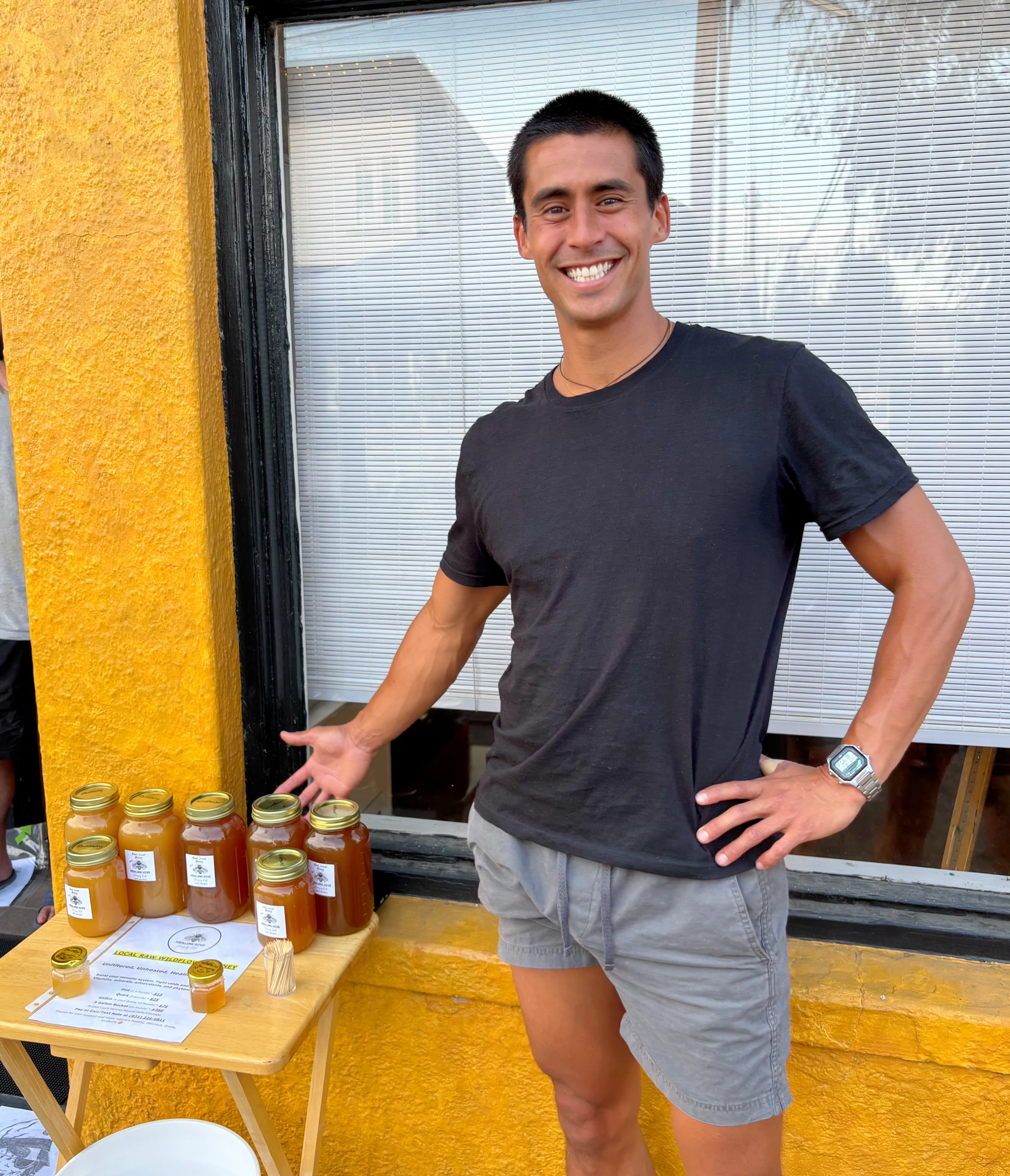
A real person behind every jar
Still Curious?
Whether you’re discovering raw honey for the first time or you’ve been enjoying nature’s goodness for years, we’re always happy to help. Reach out to Nate directly — we’d love to hear from you.